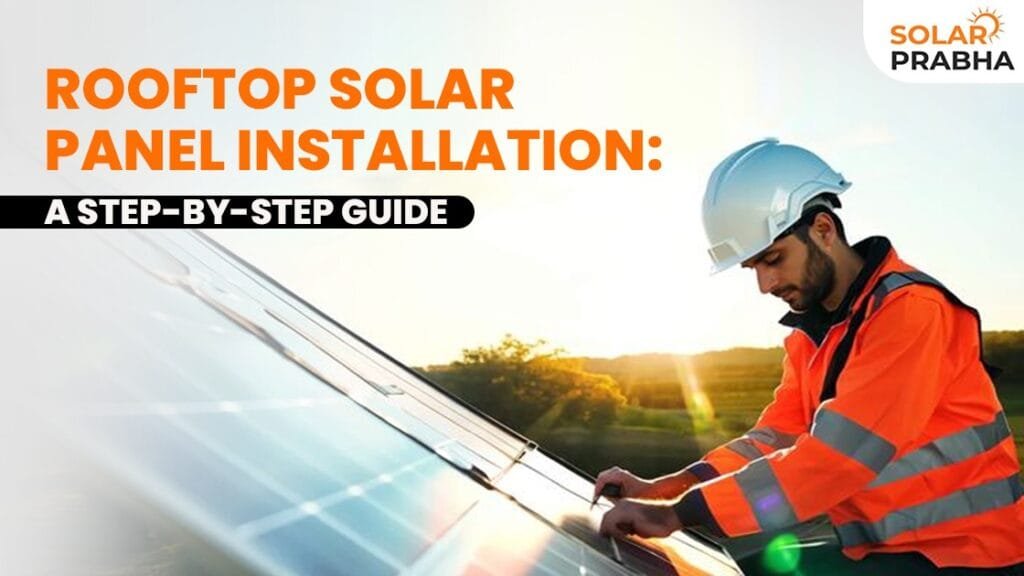
If you are looking for a simple guide to install solar panels, then you have landed on the right page. The installation of rooftop solar panels among homeowners in India is a very popular consideration, especially given the current rise in electricity prices, the ongoing and regular electricity cuts, and the enhanced awareness of clean energy. Whilst the benefits of solar are evident, understanding the actual steps required to install a solar system can be quite daunting. This guide will simplify the entire residential solar installation process, providing you with the basic knowledge that you need to know before switching over to solar power.
Rooftop solar systems are a sound financial decision and a conscientious decision for the environment. A typical 1kW system can generate about 4 units of electricity a day in most parts of India, which in turn can save you anywhere from ₹1,000 to ₹1,500 a month, depending on your consumption and local tariffs.
In addition to financial benefits, solar power also decreases your reliance on fossil fuels and drastically reduces your carbon footprint. With a lifespan of approximately 25 years for a 3kW solar panel system, you could avoid over 90 tonnes of CO2 emissions, which is similar to planting more than 1,500 trees.
Why Should You Go Solar Anyway?
Before we go through the steps to install rooftop solar, it is helpful to discuss why so many homeowners are going solar. Here are some reasons:
- Savings on electricity bills: Once the solar energy system is installed, your power payments will decrease substantially.
- Good for the environment: Solar energy is clean and green and reduces your carbon footprint.
- Low maintenance: Newer solar panels require little maintenance.
- Increases property value: Having solar panels will increase the selling price of the home.
- Energy independence: No more power outages or dependence on a power grid.
Guide for Solar System Installation: Step-by-Step
The first portion of the solar system installation is the site survey, where installers inspect the direction, angle, shading, and roof structure for solar installation. This is a very crucial step, determining how efficient your solar system will be.
In India, your roof should be facing south, as that is receiving sunlight at the maximum from January to December. If your roof overlooks something that shades it – like trees or buildings – that may affect your system output and needs to be mentioned.
While on-site, the solar panel installers will also look at your average energy needs monthly to determine the size of the system you will need – typically this is measured in kilowatts (kW). A smaller house may need a full 2kW, where a bigger house, like a villa, would need about 5kW or more.
Many solar systems today are equipped with remote monitoring functionality via a mobile application or online dashboard, which allows you to view your energy generation from the sun, your energy usage, energy savings, and the overall health of your system, all in real-time. As far as maintenance is concerned, rooftop solar systems require little to no maintenance.
Let’s break down the installation process of a solar system into clear, actionable steps.
1. First Home Assessment and Energy Audit
A quality installation always begins with a comprehensive assessment of your site. A solar installer will:
- Check the orientation, pitch and shading of your rooftop.
- Evaluate the structural integrity and age of the roof.
- Examine your current electricity consumption.
- This information helps to clarify how many and what type of solar panels you will need.
Tip: In India, south-facing roofs will usually receive the greatest amount of sun exposure over the course of a year.
2. Creating a System for Your Home
After the assessment is complete, the installer can design a system based on your needs. The process will include:
- Panel layout and system size (measured in kW).
- Inverter type – string inverters vs. microinverters.
- Battery storage (if going hybrid/off-grid).
Your installer will also make a detailed proposal with estimated savings and payback period.
3. Understanding the Permits and Approvals
Before installation starts, there are some approvals that need to be obtained. This could involve:
- Local government or municipality approvals.
- Utility company approvals.
- Net metering application.
Don’t worry about this either. A good installer will typically do all of this legwork for you.
4. Acquiring the Equipment
Once approvals are in place, your attention can be shifted to ordering the equipment:
- Solar photovoltaic panels – either monocrystalline or polycrystalline.
- Inverter – which converts DC electricity to AC electricity.
- Mounting structures – which are the brackets or frames that hold the solar panels.
- Wiring and junction boxes.
Make sure to select BS-certified panels and branded inverters with substantial warranty coverage.
5. Installation Day
Now to the part you’re waiting for installation! This is what generally occurs:
a. Mounting Structure Set Up
Installers will place the mounting frame on your roof following your design plan.
b. Panel Installation
Solar panels are set onto your frame securely, typically at the optimal angle, which is 15-30 °.
c. Electrical Wiring
DC cables will run from the panels to the inverter. Earthing and surge protection will be included.
d. Inverter & Battery Install
The inverter is connected next to your mains board. When using batteries, they will be connected here as well.
e. Connect System to Your Home
The last step is connecting the system to your home electricity network. Depending on your design, they also “connect” to the grid if grid-tied.
6. Inspection, Testing & Commissioning
After all the setup is done, the installer:
- Conducts a full system inspection.
- Performs a running test on the performance.
- Test the voltage, current, and connections.
- Verifies safety protocols.
Once the operational testing has been completed satisfactorily, your system will be set for live operation!
7. Setting Up Net Metering (For Grid-Connected Systems)
If your system is grid-connected and you’re interested in net metering (selling power back to the grid), the utility will install a bi-directional meter.
This tracks how much energy you consume and how much is exported.
8. Monitoring and Maintenance
Most systems are now set up with an app or have a web dashboard. Which will often monitor:
- Daily energy production.
- Use vs export.
- System health and alerts.
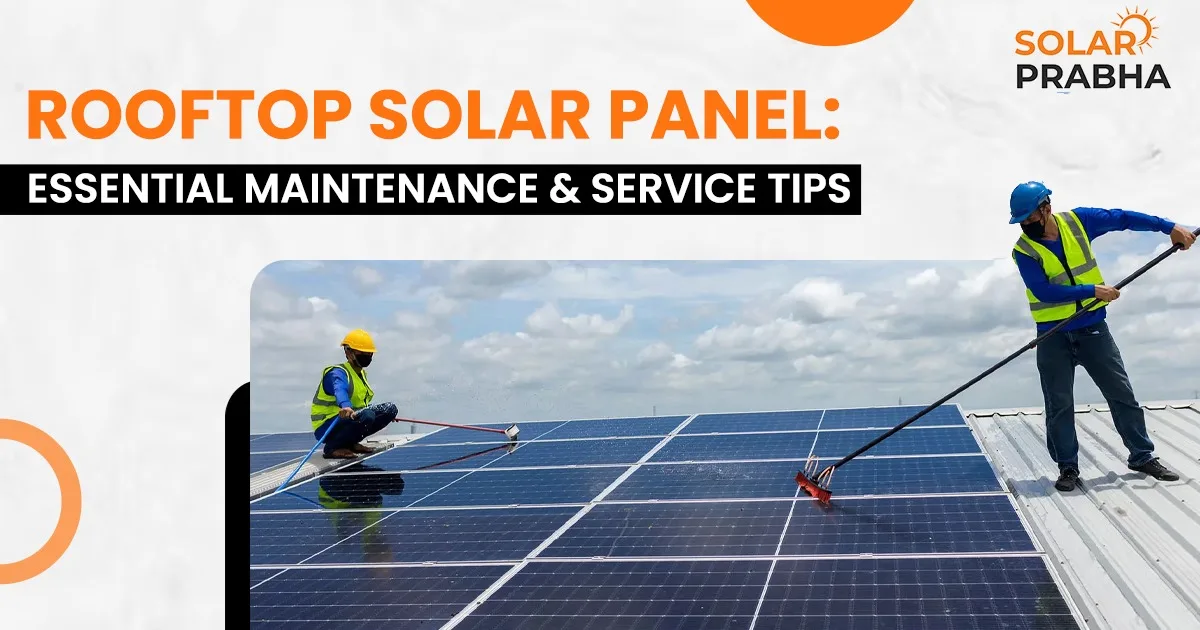
Maintenance is minimal – just keep your panels clean (as dust and bird droppings can reduce efficiency). You should have the system serviced annually.
What Determines the Price of a Residential Solar Installation?
The overall price of a residential solar installation includes many factors such as: size of the system, type of panel, type of inverter, use of batteries, and complexity of the installation. As an estimate, a typical size or a 3kW on-grid system (adequate for a medium-sized home) might cost between ₹1.5 and ₹2.2 lakhs prior to subsidy. After the direct Government subsidy, the actual cost would be around ₹1.2 lakhs. It is also important to point out that most quality panels carry a 25-year warranty on performance, while inverters will carry a 5-10 warranty.
Ready to figure out what this will all cost? The following factors contribute to the overall price:
- System size (in kW): Larger systems = more panels = higher cost.
- Panel quality: Higher-priced panels carry better efficiency and warranty period.
- Type of inverter: Microinverters are higher priced, but are better performing in shaded locations.
- Battery backup: While an optional backup, the backup increases the cost of the system if included.
- Installation complexity: A roof with a tilt or structural issues increases the labour charge.
- On average in India, a 3kW grid-connected system will cost ₹1.5 -₹2 lakhs after government subsidies.
Government Funding and Incentives
Picking the right installer is just as important as selecting the right equipment. A good installer will, in addition to offering certified products and transparent pricing, also manage complete services from the initial site assessment to monitoring system operation. The Indian central government provides financial support to residential solar:
- Central subsidies (up to 40%) under the Rooftop Solar Programme.
- State-specific incentives apply, if available.
- Net metering will allow you to earn credit for supplying power to the grid.
Frequent Errors to Avoid
Homeowners occasionally make mistakes even with the best intentions. Avoid these:
- Not conducting a site survey – each home is different.
- Purchasing the least expensive system – cheap components will fail.
- Not repairing your roof – fix any leaks or weak areas prior.
- Not cleaning your panels regularly – this can limit power output.
Choosing the best installer makes all the difference.
How to Select the Appropriate Solar Installer?
Here are the important considerations when hiring a professional solar installer:
- Must be MNRE-approved and experienced.
- Should provide end-to-end services from design to maintenance.
- Pricing should be clear, and warranty terms should not be confusing.
- Must be able to provide post-installation support and monitoring tools to the owner.
Solar Prabha provides all of this and more!
Concluding Remarks on the Rooftop Solar Installation Method
As indicated in this guide for roof solar installation, switching to solar is an uncomplicated process when completed in a methodical stepwise manner. From starting to organize the process to the final connection, every integration is essential in creating a system that is efficient, safe, and durable. And the icing on the cake? Once you finish the installation and make that connection, the system will pay you back for a significant time period.
Ready to Go Solar? Contact Solar Prabha Today
Trust Solar Prabha for reliable, professional rooftop solar panel installation in Guwahati, Assam. We deliver trusted, quality, and customized solar solutions to provide dependable energy sources to homes and businesses in Assam.
Our qualified expert installation team assists in a hassle-free setup process and provides ongoing service to encourage your sustainable and cost-effective energy transition with peace of mind. Call us at +91-7099030047 or visit our office in Guwahati to begin a smarter, greener energy future.